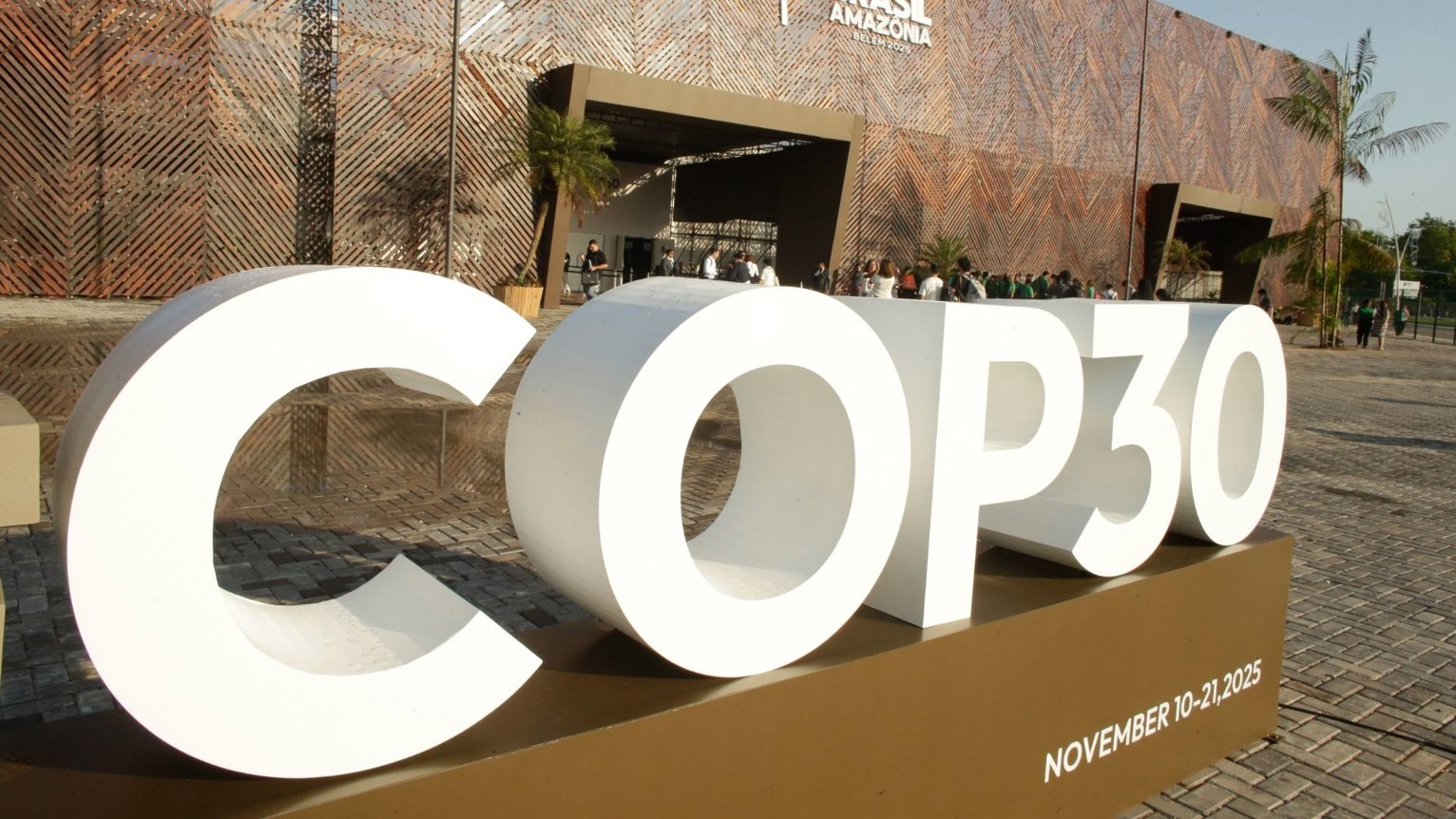
As negotiations continue in the heart of the Amazon, here’s what’s actually happening at the world’s most crucial climate summit
The streets of Belém are alive with something different this year. While diplomats negotiate behind closed doors at COP30, nearly 70,000 people have taken to the streets in what some are calling a “funeral for coal, oil and gas”. This isn’t your typical climate conference.
The Implementation COP: No More Empty Promises
COP30 has earned a nickname: the “implementation COP.” After years of ambitious pledges and missed targets, Belém is where the world is supposed to finally deliver on its climate promises. The message is clear—talk is cheap, and time is running out.
At the heart of these negotiations is the draft “Belém Package,” a comprehensive set of decisions that could reshape how we tackle climate change. But it’s still being hammered out, with battle lines forming between countries over money, fossil fuels, and who bears responsibility for the transition ahead.
Show Me the Money: The $1.3 Trillion Question
Perhaps the biggest breakthrough emerging from COP30 is the Baku to Belém Roadmap, a plan to mobilize roughly $1.3 trillion per year by 2035 for climate action in developing countries. That’s not a typo—trillion with a T.
But here’s where it gets interesting: there’s growing momentum for “solidarity levies”—essentially taxes on aviation, shipping, financial transactions, and even cryptocurrencies—to fund climate action without adding to developing countries’ debt burdens. It’s a radical shift from traditional climate finance, and a coalition of countries is pushing hard to make it reality.
The Justice Question: Who Pays When Coal Plants Close?
One of the most heated debates at COP30 centres on something called “just transition”—the idea that as we move away from fossil fuels, we can’t leave workers and communities behind. The G77 and China bloc has proposed a Global Mechanism for Just Transition, closely aligned with what civil society has dubbed the “Belém Action Mechanism”.
What’s remarkable? Even the EU, traditionally cautious on such institutional arrangements, has put forward its own proposal. It’s weaker than what activists want, but it signals a major shift: the world’s powers are finally recognising that climate action without social justice isn’t real climate action at all.
Carbon Markets: Cleaning Up the Wild West
Remember those carbon offset credits that let companies claim they’re “carbon neutral” by planting trees somewhere? The system has been criticised as a fragmented mess plagued by questionable credits and double-counting. COP30 is pushing for a more robust, UN-regulated carbon market under Article 6 of the Paris Agreement.
The goal: environmental integrity and real safeguards. Civil society groups are watching closely, demanding stronger guardrails to prevent the kind of greenwashing that’s plagued voluntary markets. If negotiators can reach agreement in these final days, it could be a genuine breakthrough.
The Amazon Takes Center Stage
This is Brazil’s COP, and they’re making sure the Amazon and its Indigenous peoples are front and center. The Brazilian government has announced R$107 million for the Coopera+ Amazônia programme, supporting bioeconomy initiatives that could benefit 3,500 families while protecting the rainforest.
More significantly, Brazil has advanced the demarcation of ten Indigenous lands during COP30, recognizing that land rights and traditional knowledge aren’t just side issues—they’re climate solutions. Indigenous leaders are everywhere at this COP, making their voices impossible to ignore.
Energy Transition Gets Real
Brazil’s Vice President has launched the “Belém Commitment”, an initiative aimed at quadrupling sustainable fuel use by 2035. Already endorsed by 25 countries, it’s pushing advanced biofuels and other low-carbon fuels into the mainstream conversation.
Meanwhile, 62 countries have signed onto a new initiative for integrated fire management and wildfire resilience. With extreme fires devastating communities worldwide, this Call to Action focuses on Indigenous-led fire management, early-warning systems, and community capacity building.
Beyond Carbon Dioxide
COP30 has also launched an accelerator targeting short-lived climate pollutants—methane, black carbon, and HFCs—that pack an outsize punch in warming the planet. Seven “pioneer” countries, from Brazil to Cambodia to South Africa, are receiving an initial $25 million to lead the charge.
These might not grab headlines like carbon dioxide, but cutting these pollutants could buy us crucial time in the climate fight.
The Global South Speaks Up
India has been particularly vocal at COP30, emphasising equity, climate justice, and historical responsibility. Their message resonates with much of the developing world: rich countries caused this crisis, and they need to step up with real money and support—not trade barriers disguised as climate policy.
This positioning reflects broader tensions in the negotiations, where developing countries are demanding that “implementation” doesn’t simply mean shifting burdens onto those least responsible for the problem.
What Happens Next?
As negotiations enter their final phase, the real test begins. Can countries agree on ambitious fossil fuel language? Will the finance numbers add up to real money, not accounting tricks? Can they establish institutional mechanisms that actually work?
The draft Belém Package is still being negotiated, and the coming days will determine whether this COP lives up to its billing as the “implementation COP” or becomes another festival of unfulfilled promises.
One thing is certain: the people marching in the streets of Belém, the Indigenous leaders demanding their rights, and the communities already living with climate impacts aren’t going to let the world forget what’s at stake.
The final COP30 decisions are expected in the coming days. This is a developing story, and the world is watching.