The event was incredible, and its sheer scale was mesmerizing. I burned a lot of calories just moving around and attended many sessions, gaining valuable knowledge. However, on a serious note, the outcome fell short of expectations. Here is a summary of it.
The 28th Conference of Parties (COP28) to the United Nations Framework Convention on Climate Change (UNFCCC) was held in Dubai, UAE in 2023. The conference aimed to accelerate global climate action and was attended by representatives from various countries, businesses, cities, subnational regions, investors, and civil society.
While the outcomes were limited, the conference had four pillars set by the COP 28 Presidency:
- Fast-tracking a just, orderly, and equitable energy transition.
- Fixing climate finance.
- Focusing on people, lives, and livelihoods.
- Underpinning everything with full inclusivity.
The conference witnessed several outcomes under the Global Climate Action Agenda. The High-Level Champions and the Marrakech Partnership also convened over 40 events, including Action Events and Implementation Labs, as well as High-Level Champion Special Events, that showcased the collective momentum from diverse sectors and discussed issues crucial to driving global ambition and action.
Outside the Global Stocktake, COP28 delivered historic negotiated outcomes to operationalize loss and damage, securing $792 million of early pledges, providing a framework for the Global Goal on Adaptation (GGA), and institutionalizing the role of the Youth Climate Champion to mainstream youth inclusion at future COPs.
The conference also acknowledged the need to move away from fossil fuels and promised to reduce methane emissions. The loss and damage fund was operationalized and capitalized, and an agreement was reached on a framework for the global goal of adaptation.
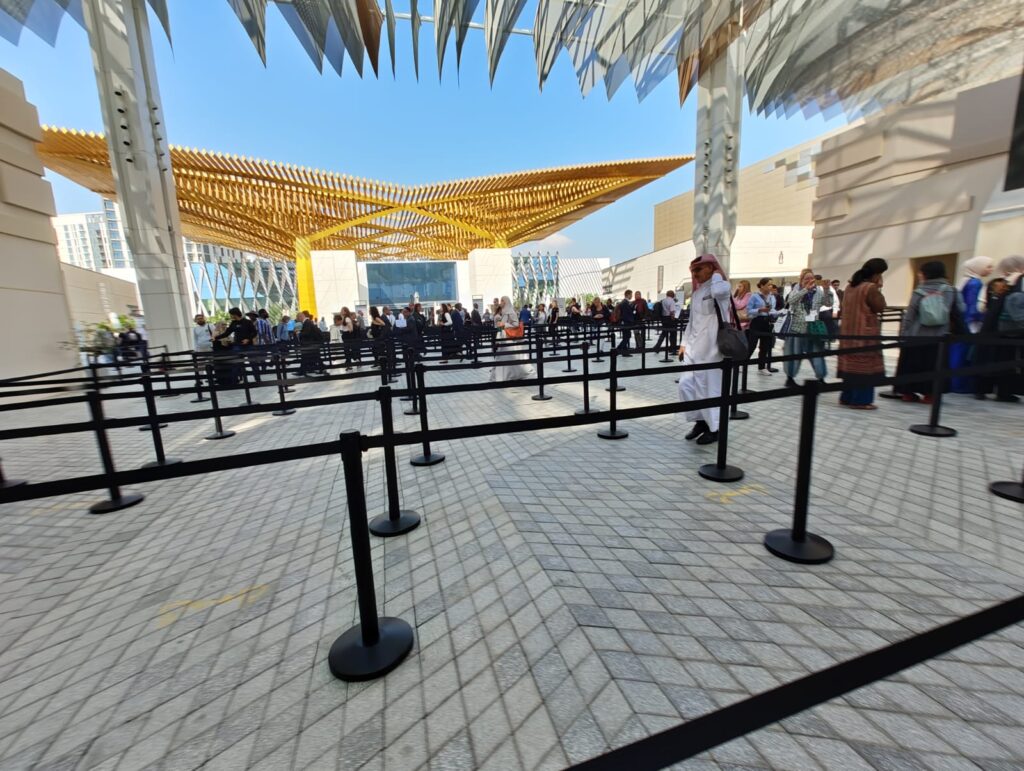
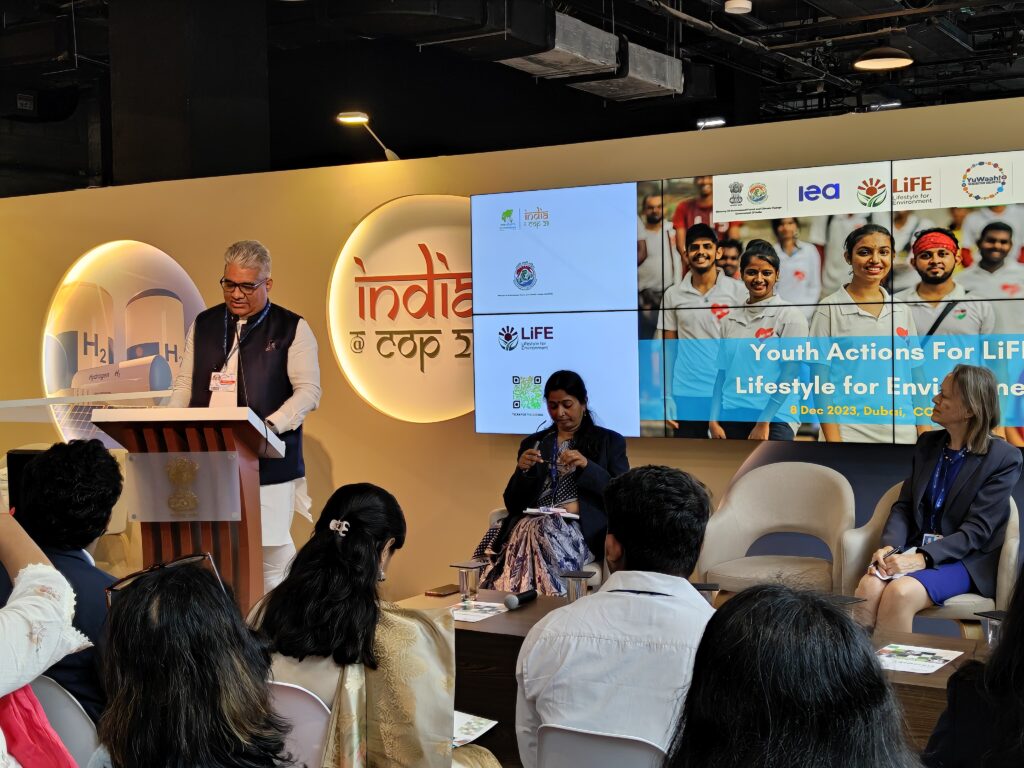
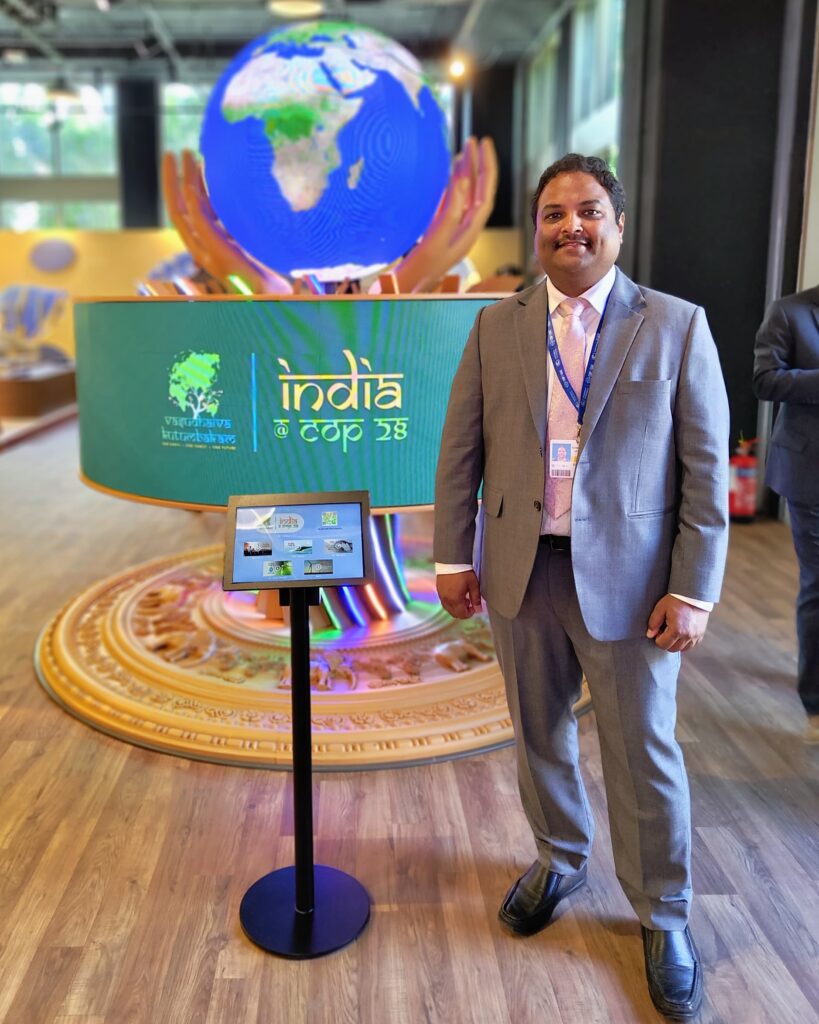
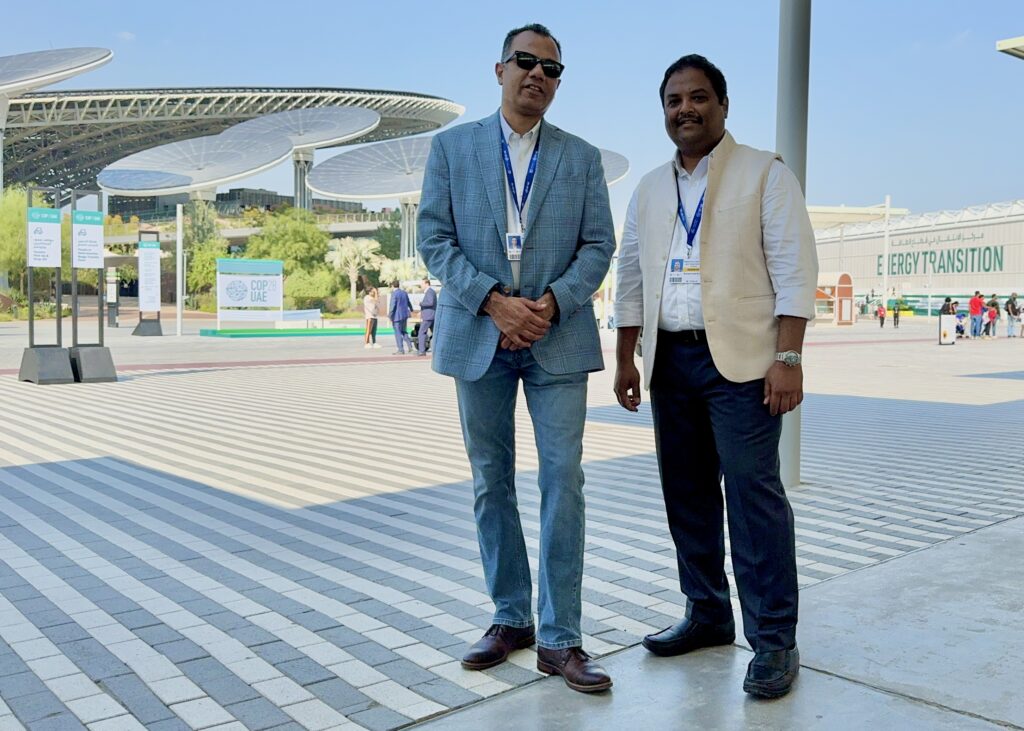
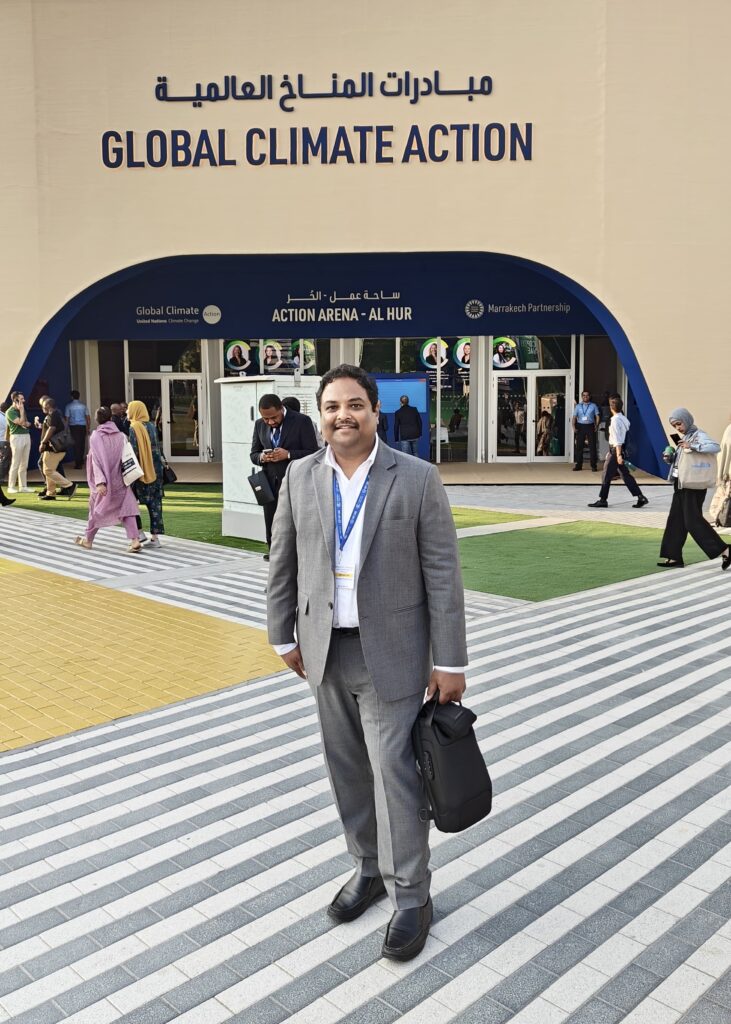
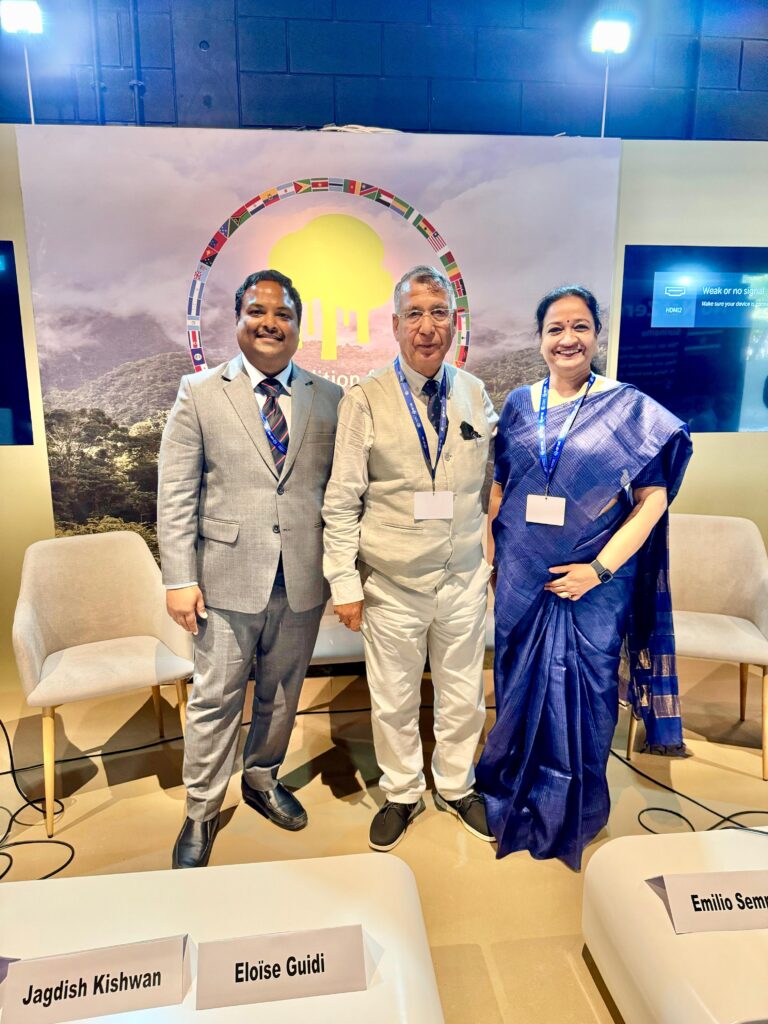
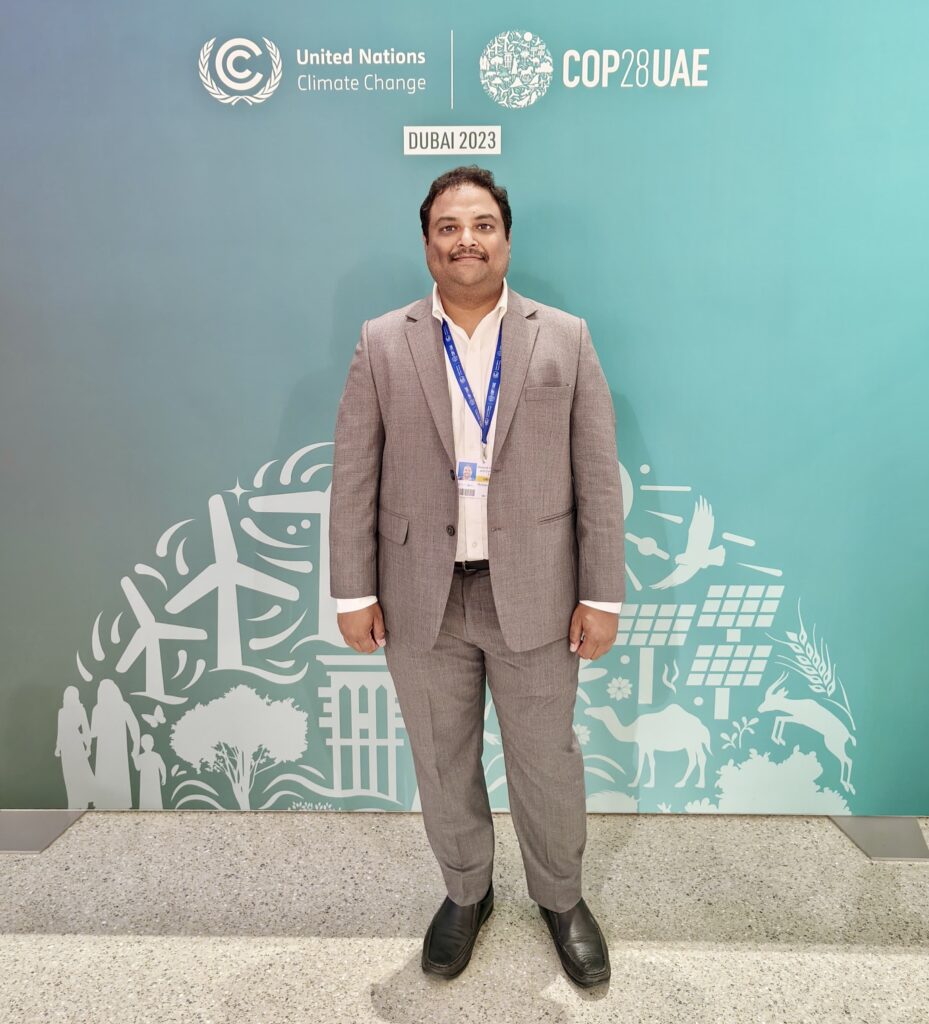
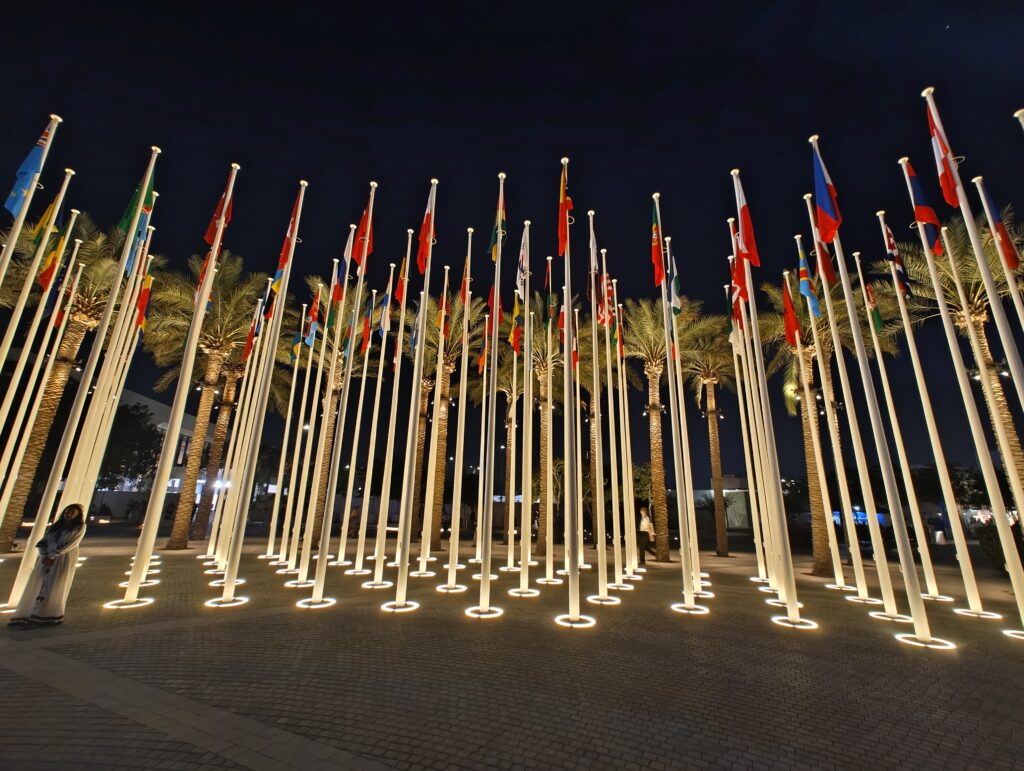
Some pictures from COP 28
Get this in your inbox
I maintain a working reference on India’s carbon market — which CCTS sectors are notified, which are actually operable, how many methodologies and accredited verifiers exist, and where CBAM stands. Subscribe and I will tell you when those facts change. No fixed schedule, and nothing sent for the sake of sending it.