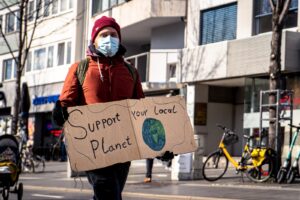
There are several actions that individuals and societies can take to mitigate and adapt to the impacts of climate change:
- Reduce greenhouse gas emissions: One of the most important actions we can take is to reduce our greenhouse gas emissions. This can be done by transitioning to clean, renewable energy sources such as wind and solar power, improving energy efficiency in buildings and transportation, and reducing food waste.
- Conserve and protect natural resources: Conserving and protecting natural resources, such as forests, wetlands, and other ecosystems, can help absorb and store carbon from the atmosphere, reducing greenhouse gas concentrations.
- Support policies and regulations: Individuals can support policies and regulations that promote climate action, such as carbon pricing, renewable energy standards, and incentives for sustainable practices.
- Adopt sustainable lifestyle choices: Simple lifestyle choices such as reducing meat consumption, using public transportation, and reducing energy consumption can help reduce individual carbon footprints.
- Plan for and adapt to climate impacts: We must also plan for and adapt to the impacts of climate change, such as rising sea levels, more frequent and severe weather events, and changes in agricultural productivity.
- Education: Education about the causes and impacts of climate change is crucial in raising awareness and promoting action.
It is important to recognize that addressing climate change is a collective effort that requires action from individuals, governments, and businesses at all levels.
Get this in your inbox
I maintain a working reference on India’s carbon market — which CCTS sectors are notified, which are actually operable, how many methodologies and accredited verifiers exist, and where CBAM stands. Subscribe and I will tell you when those facts change. No fixed schedule, and nothing sent for the sake of sending it.