Some projects enter the carbon market because they were designed for carbon.
Some projects deserve to enter the carbon market because they were creating impact long before carbon was ever considered.
For me, the Piplantri Tree Plantation Project falls firmly into the second category.
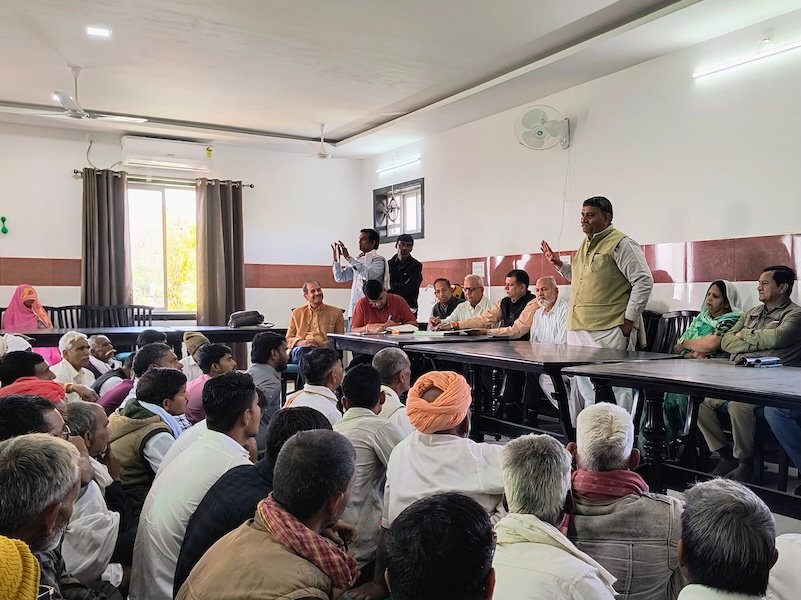
What started as a community’s commitment to celebrate the birth of every girl child by planting trees has evolved into a powerful example of environmental restoration, social transformation and long-term climate impact. It was never a carbon project in the conventional sense. It was a community movement rooted in values, ownership and purpose.
No credits. No compliance. No funding. Just care. And years later — forests, water security, livelihoods, and dignity for daughters.
Why the distinction matters
Most of my work sits around standards, methodologies, MRV systems and carbon accounting. That work is necessary. Without it there is no integrity, and without integrity there is no market worth having.
But Piplantri is a reminder that the sequence matters. Some of the most meaningful climate action begins long before any carbon framework exists — and the framework’s job is to recognise it, not to invent it.
This is the thing I keep returning to. A methodology can be technically perfect and still fail if the data cannot be collected. A strategy can look excellent on paper and mean nothing if nobody knows what to do differently on Monday morning. And a project can be genuinely transformative long before anyone works out how to measure it.
Carbon finance works best when it arrives as recognition of work already being done well, rather than as the reason the work started.
What a registry can and cannot do
Our role as a registry is not to create these stories. It is to provide a credible and transparent platform where genuine climate action can be recognised, measured and evidenced.
That is a narrower job than it sounds, and an important one. The registry does not decide which communities are doing good work. It decides whether what they have done can be demonstrated to a standard that someone else is willing to pay for. Those are different questions, and conflating them is how markets lose credibility.
I would encourage anyone interested in community-led climate action to look at the Piplantri story properly. There are lessons in it for communities, for project developers, and for anyone building the infrastructure this market runs on.
Resilience first. Carbon next.
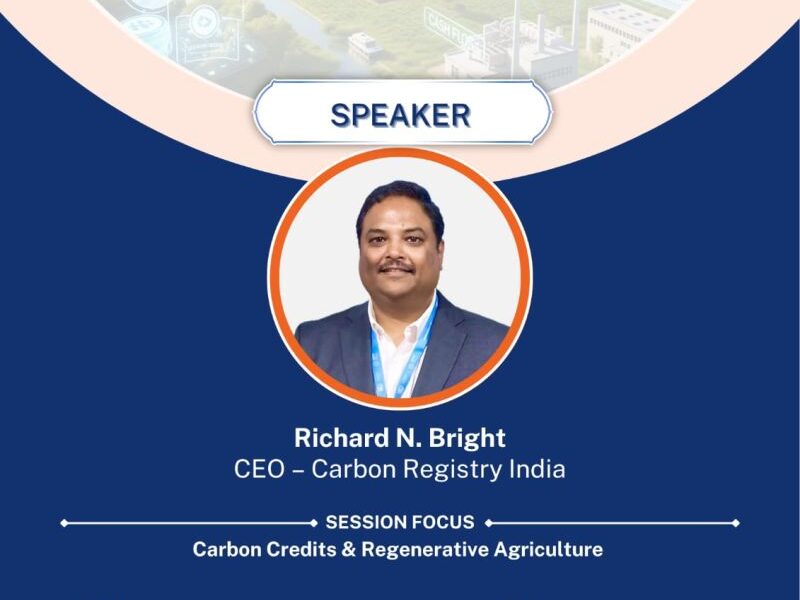
Richard N. Bright is CEO of Carbon Registry India and advises several organisations in the climate sector. The Piplantri project referenced here has been listed for public consultation under Carbon Registry India’s project development process; this post reflects a personal perspective on community-led climate action and is not an assessment of the project’s eligibility or credit quality.
Related reading
- What qualifies as a carbon project?
- What makes a carbon offset project qualify
- Additionality in carbon offsets: why it matters
- India’s carbon market: a working reference — the structural overview these pieces sit inside
Get this in your inbox
I maintain a working reference on India’s carbon market — which CCTS sectors are notified, which are actually operable, how many methodologies and accredited verifiers exist, and where CBAM stands. Subscribe and I will tell you when those facts change. No fixed schedule, and nothing sent for the sake of sending it.