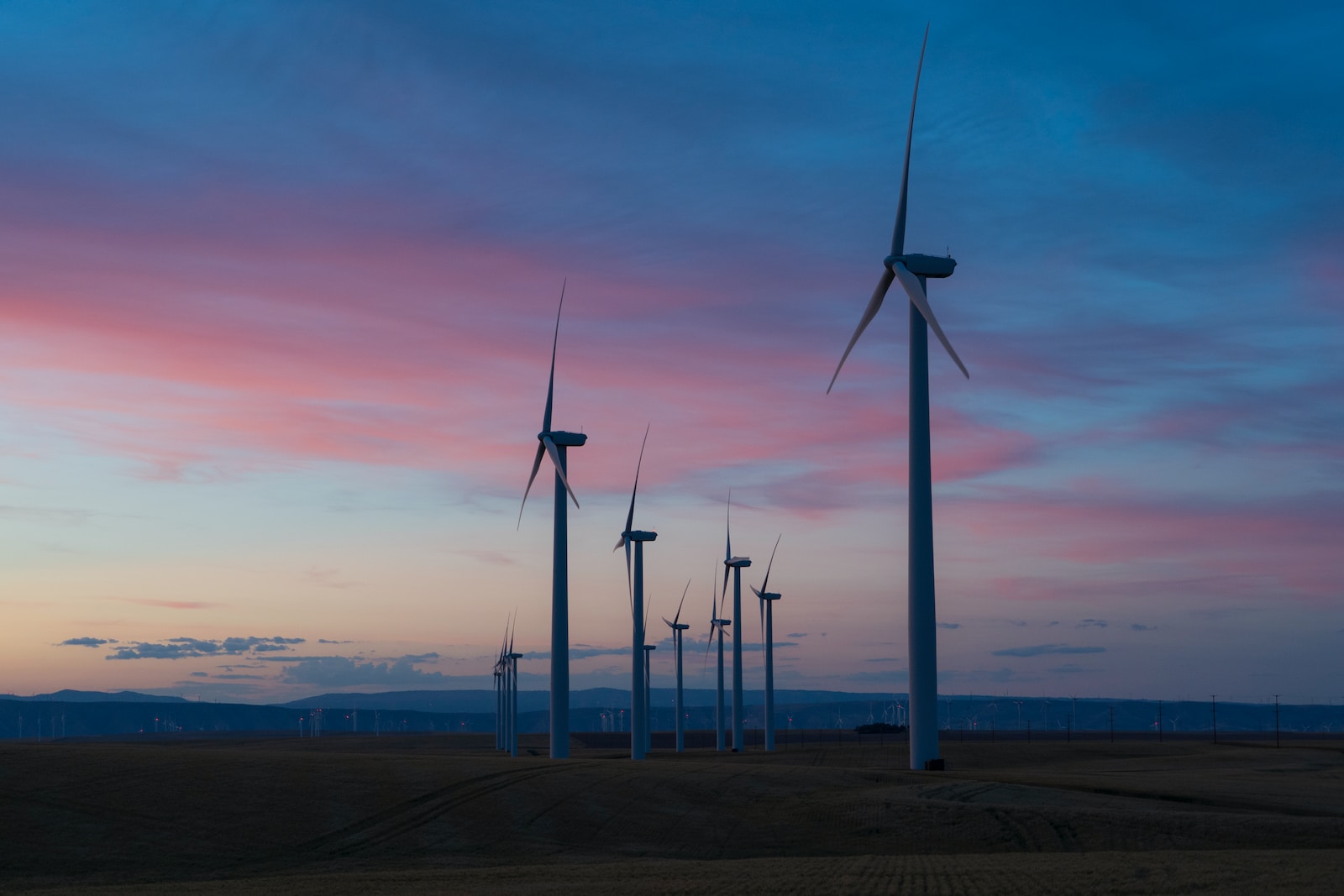
Various types of projects can qualify as carbon projects, provided they meet specific criteria and follow recognized methodologies or standards for carbon accounting. Here are some examples of project types that often qualify for carbon projects:
- Renewable Energy Projects:
- Wind farms
- Solar power installations
- Hydropower plants
- Geothermal energy projects
- Biomass energy facilities
- Energy Efficiency and Conservation Projects:
- Industrial energy efficiency improvements
- Residential or commercial building energy retrofits
- Demand-side management programs
- Efficient lighting or appliance initiatives
- Transportation and Mobility Projects:
- Mass transit systems (e.g., electric buses, light rail, subways)
- Cycling and pedestrian infrastructure improvements
- Carpooling or ridesharing programs
- Electric vehicle charging infrastructure deployment
- Waste Management and Methane Capture Projects:
- Landfill gas capture and utilization
- Anaerobic digestion of organic waste
- Waste-to-energy facilities
- Recycling and waste reduction programs
- Industrial Processes and Emissions Reduction Projects:
- Carbon capture and storage (CCS) projects
- Fuel switching to lower-carbon alternatives
- Process optimization and emissions reduction in manufacturing sectors
- Industrial cogeneration projects
- Agriculture and Forestry Projects:
- Afforestation and reforestation initiatives
- Sustainable forest management and conservation
- Agroforestry practices
- Soil carbon sequestration through sustainable agricultural techniques
- Nature-Based Solutions and Conservation Projects:
- Forest conservation and avoided deforestation projects
- Wetland restoration and protection
- Coastal ecosystem conservation (mangroves, seagrasses, salt marshes)
- Biodiversity conservation initiatives with significant carbon co-benefits
These project types are not exhaustive, and there may be other specific projects or activities that can qualify for carbon projects depending on regional regulations, program requirements, or specific methodologies.
It’s crucial to consult recognized carbon standards and methodologies, such as the Clean Development Mechanism (CDM), Carbon Registry-India Standard(CRIS), Global Carbon Council standard (GCC), Verified Carbon Standard (VCS), Gold Standard, or specific national or regional programs, to ensure compliance and eligibility for generating carbon credits or offsets.
Related reading
- What makes a carbon offset project qualify
- Additionality in carbon offsets: why it matters
- What is a carbon methodology?
- India’s carbon market: a working reference — the structural overview these pieces sit inside
Get this in your inbox
I maintain a working reference on India’s carbon market — which CCTS sectors are notified, which are actually operable, how many methodologies and accredited verifiers exist, and where CBAM stands. Subscribe and I will tell you when those facts change. No fixed schedule, and nothing sent for the sake of sending it.
3 thoughts on “What qualifies as carbon project?”